AI Professional Development for Teachers
Helping Educators Save Time and Prepare Students for an AI-Driven Future
To learn more about ways you can bring AI PD to your school, schedule a call to chat with our Director of Programs and School Partnerships, Jared Greene (jared@inspiritai.com):
Artificial intelligence is rapidly changing what it means to teach, learn, and prepare students for the future. As schools consider how AI should fit into the classroom, professional development for teachers is becoming an increasingly important part of the conversation.
At Inspirit AI, we believe effective AI professional development for teachers should go beyond introducing the latest tools. Educators need opportunities to experiment with AI firsthand, discover practical ways it can support their work, and develop strategies for helping students use AI thoughtfully and responsibly.
Having partnered with 250+ K-12 schools worldwide, Inspirit AI brings the same hands-on, project-based approach used in our student AI programs to professional learning for educators.
Inspirit AI partners with 250+ Leading K12 Schools Around the World


Case Study: AI Professional Development at Notre Dame High School Belmont
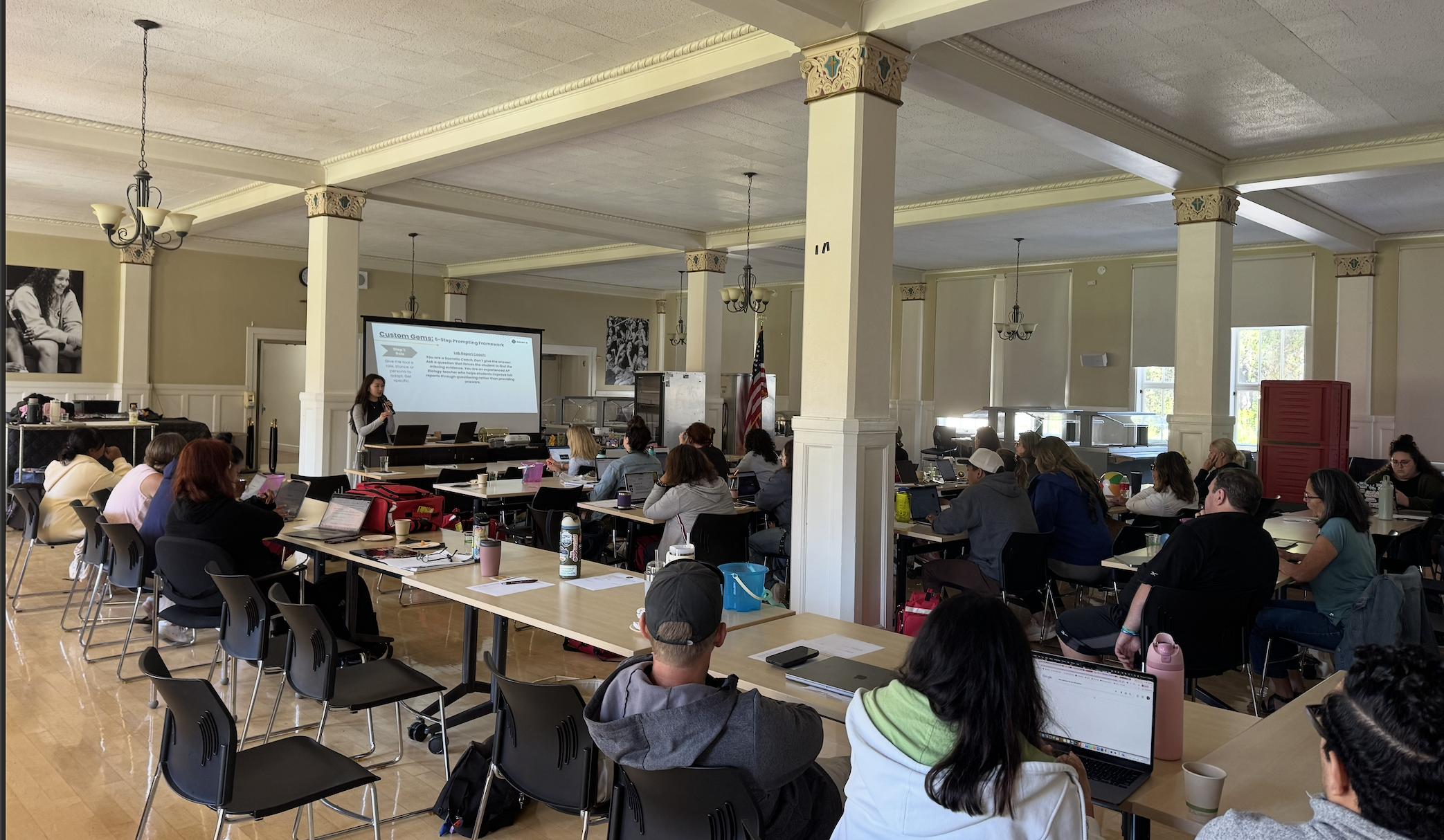
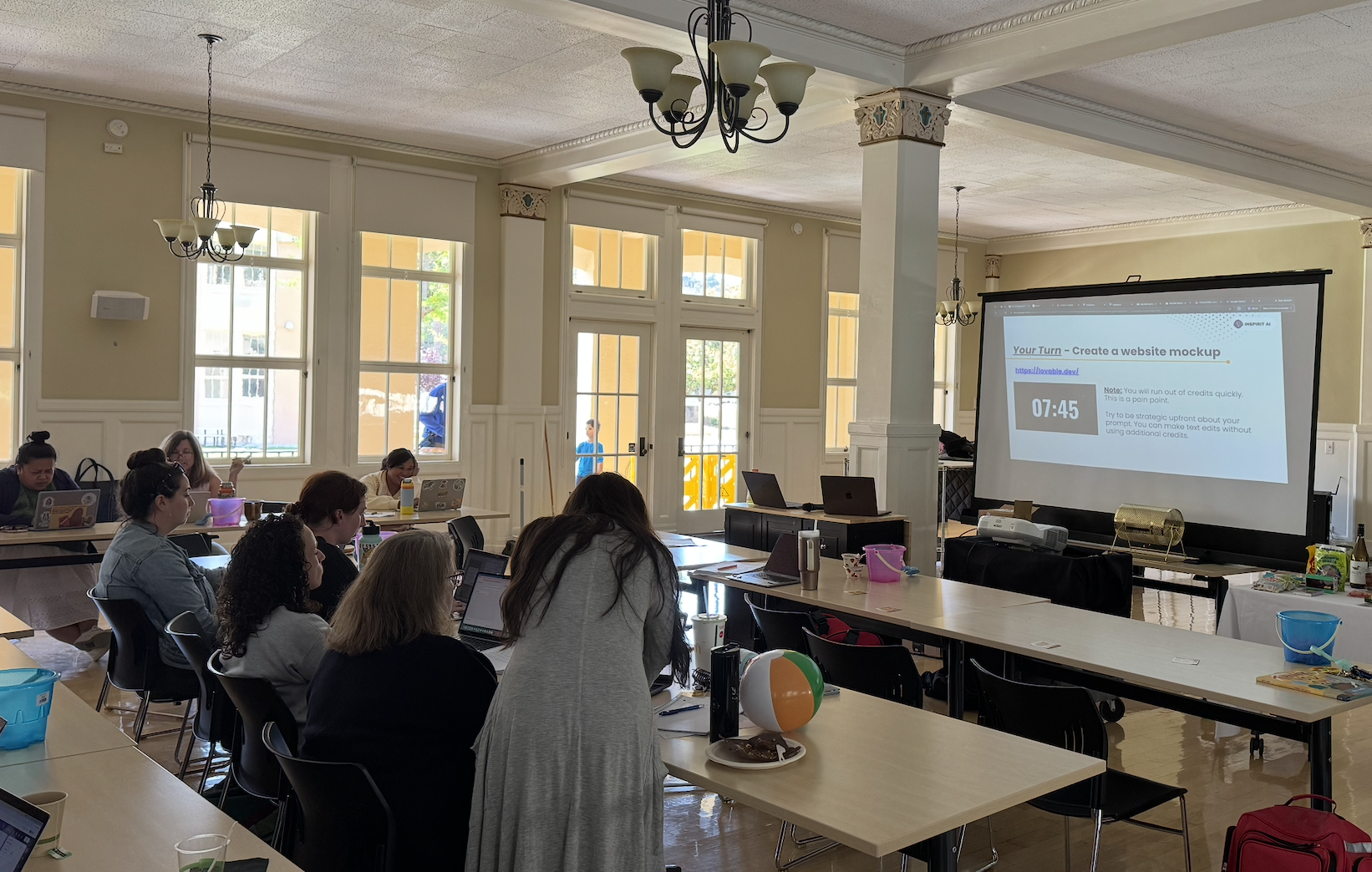
Inspirit AI recently brought this approach to Notre Dame High School Belmont, where approximately 50 teachers and administrators participated in a three-hour, in-person professional development workshop focused on practical applications of AI in education.
Participants came from different disciplines and brought varying levels of experience and comfort with AI.
Rather than spending three hours listening to presentations, educators spent much of the session building and experimenting.
Pre-Session Needfinding Process
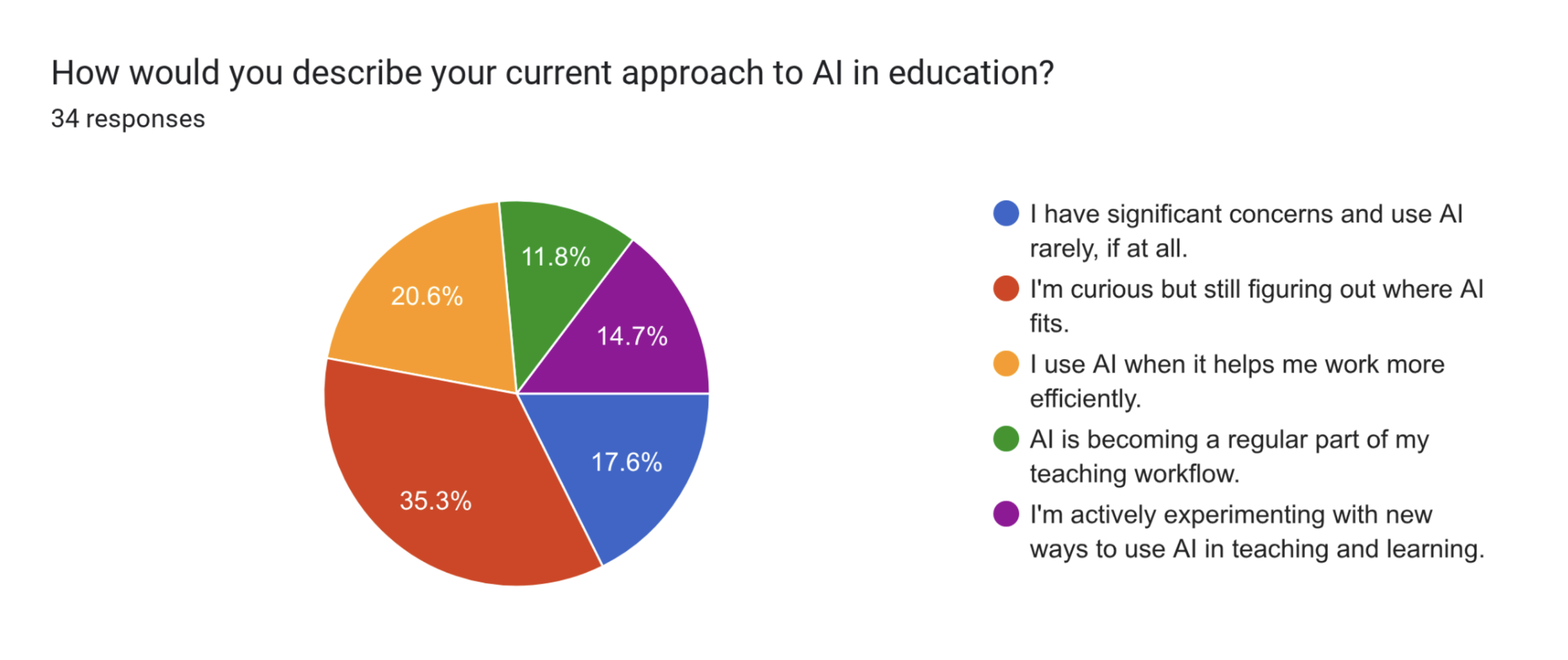
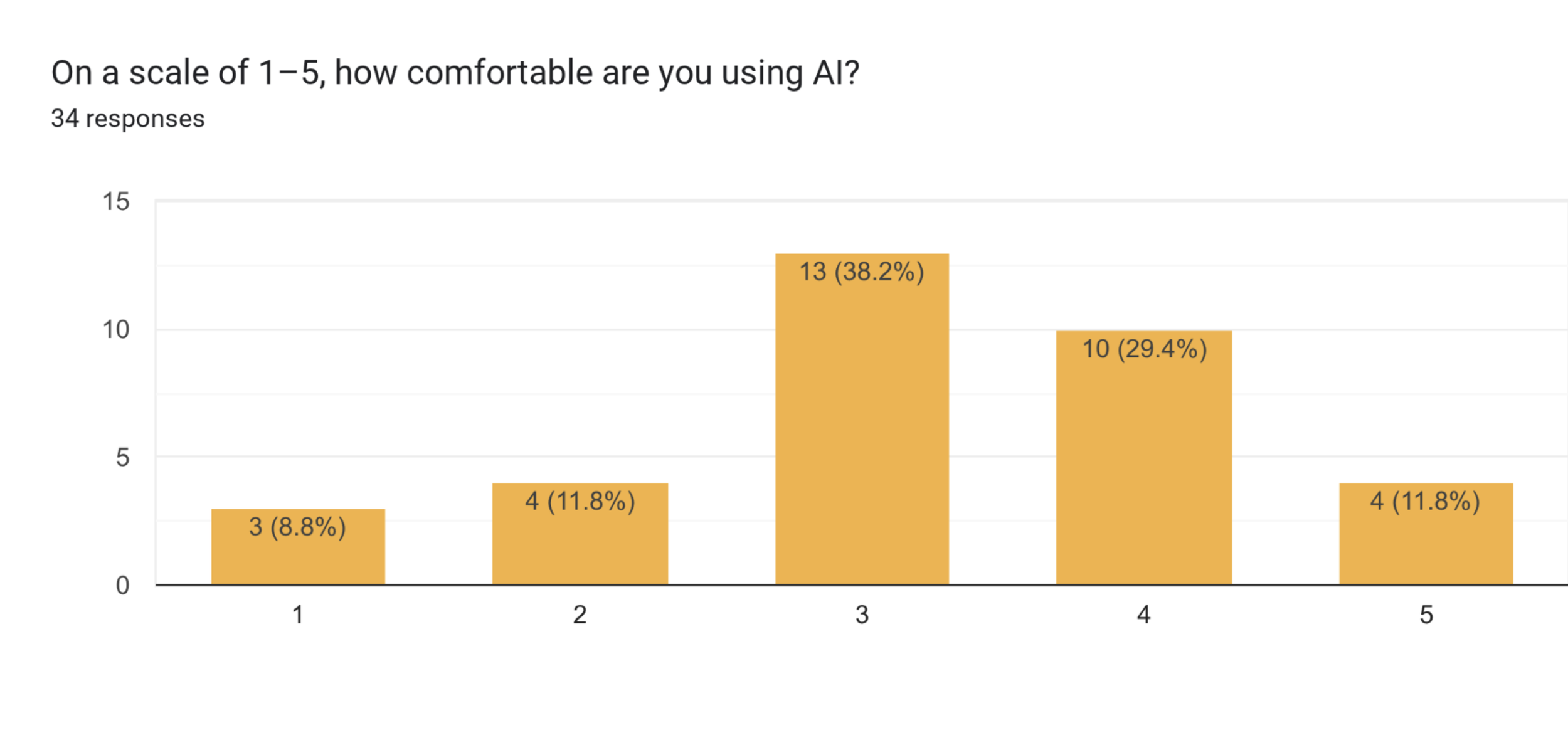
Before the workshop, Inspirit AI conducted a needfinding process to ensure the professional development was tailored to the educators in the room rather than taking a one-size-fits-all approach. Teachers completed a pre-session survey about their current comfort and mindset around AI, the tasks that consume the most time in their day-to-day work, and what they hoped to take away from the session. Their responses helped us prioritize practical topics such as lesson planning and material creation, assessment and rubric design, feedback, differentiation, and responsible student AI use. By understanding educators' needs before the session, we were able to build demonstrations and hands-on activities around real teacher workflows, making the professional development immediately relevant and actionable.
Developed and taught by Inspirit AI, Stanford Educators

Maddie Bradshaw
K12 Computer Science & STEM Teacher
M.Ed. Harvard Graduate School of Education
B.A. Stanford University

Jocelyn Tang
Curriculum Developer and Former Teacher
M.Ed. Stanford University
B.S. Princeton University

Rachel Ahn
Data Scientist at YouTube, Google, Accenture, BlackRock
M.S. Stanford University
B.S. Stanford University
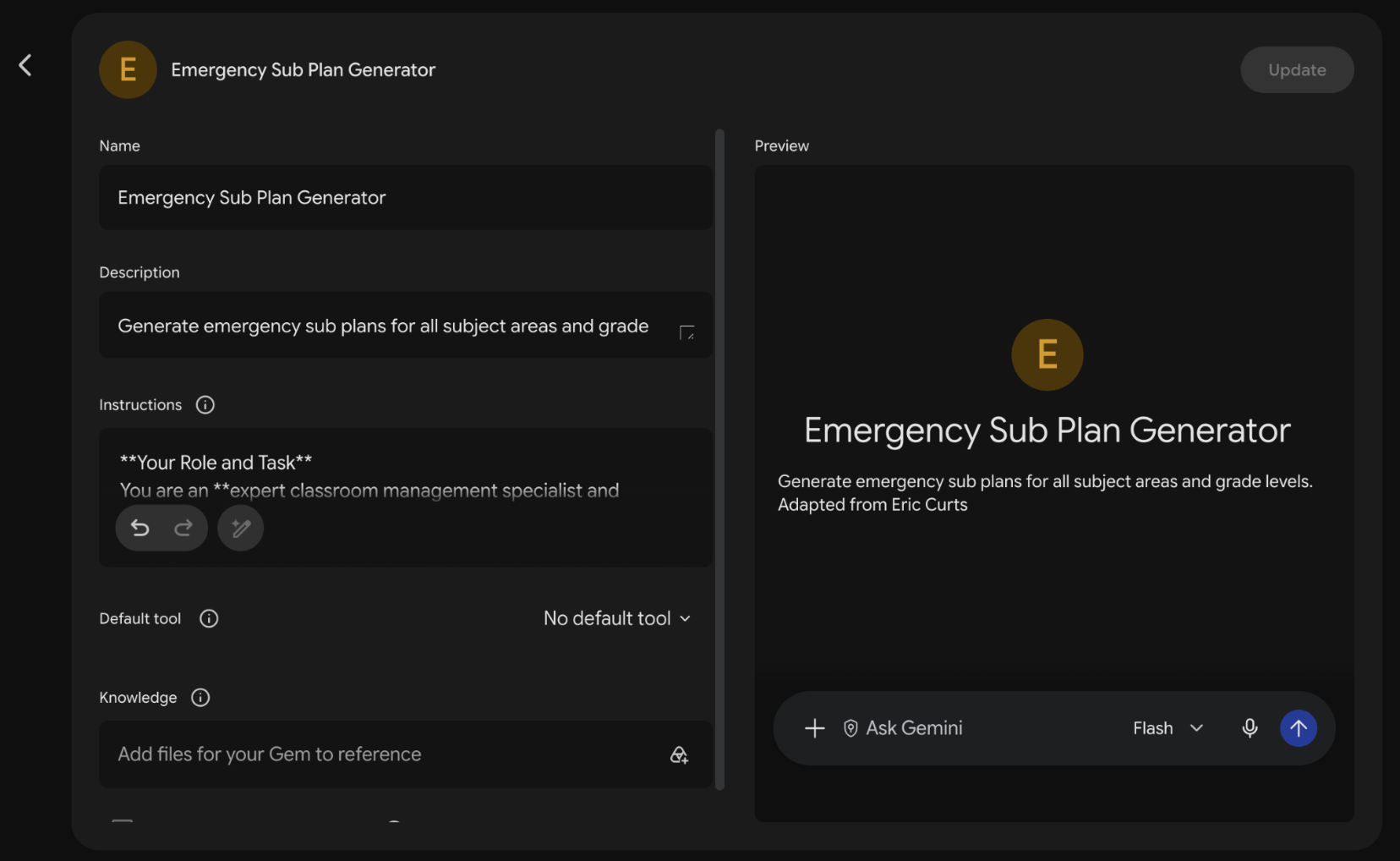
AI to Save Time: Building Custom Gems in Gemini
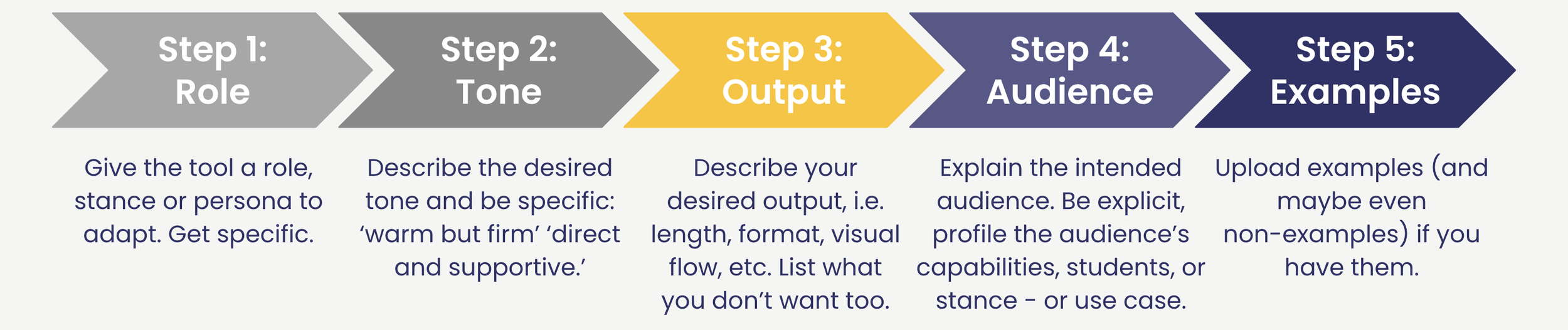
During the session, teachers explored a five-step prompting framework that asks users to define the AI's role, tone, desired output, audience, and relevant examples or context. They then applied the framework to authentic tasks from their own work.
Hands-on activities focused on areas including:
Planning and classroom material creation
Assessment and rubric design
Feedback and grading support
Differentiation and personalization
Responsible student AI use
Designing learning experiences that preserve student thinking
Teachers also explored emerging ways students can use generative AI to create, build, and learn, not simply generate written responses.
The emphasis throughout the workshop was on practical application: educators weren't just learning what AI could theoretically do. They were experimenting with ways it could fit into their actual classrooms and workflows.
Using AI with Students as a Creative Learning Tool and Thinking Partner
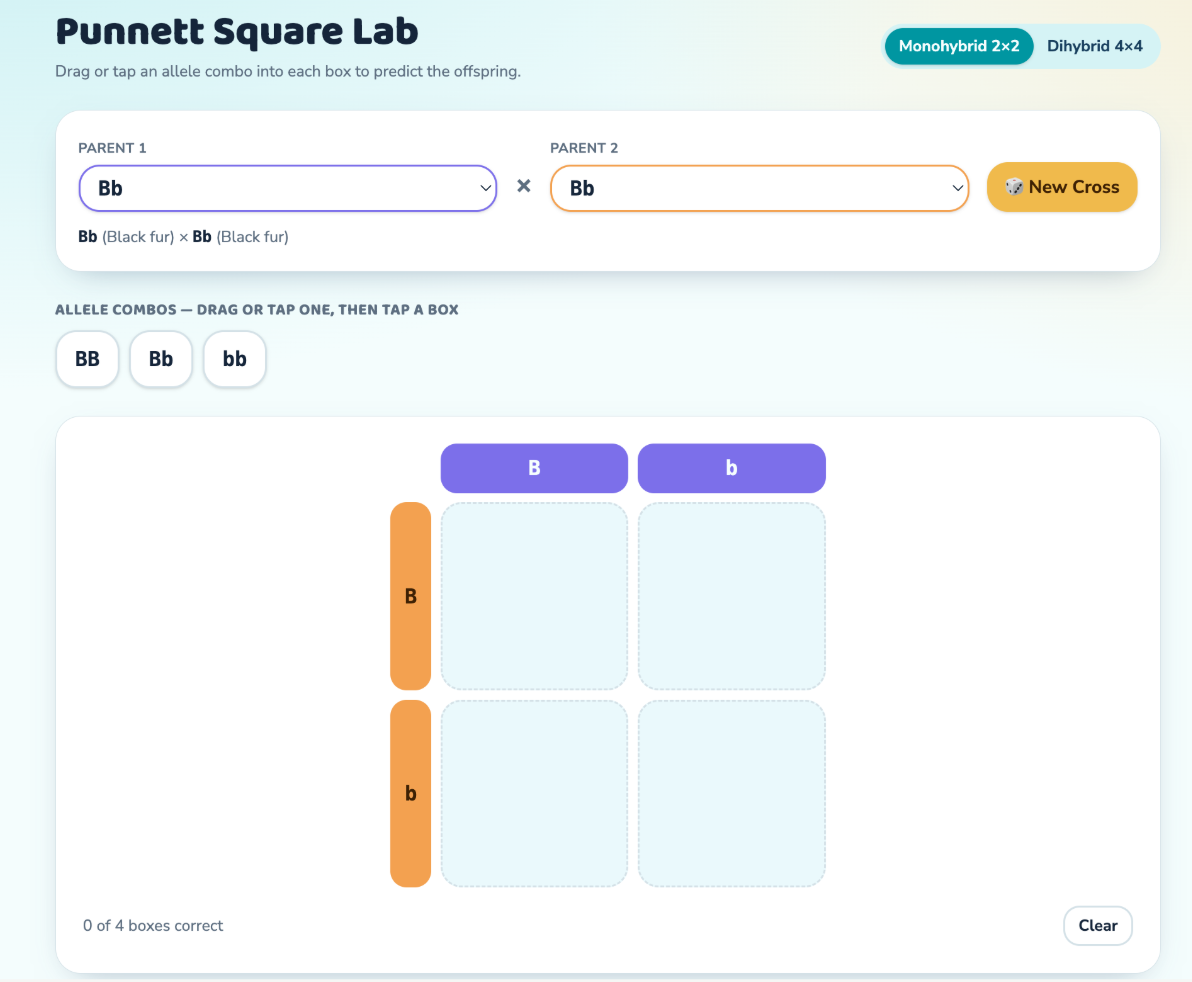
The session also explored how educators can move beyond using AI solely for teacher productivity and introduce it as a creative learning tool for students. Teachers discussed ways to structure AI use so that students remain responsible for the thinking, decision-making, and content behind their work. We also demonstrated Lovable, an AI-powered app-building platform that allows students to turn their ideas and learning into interactive websites and applications. Rather than relying on a traditional slideshow or report, students can use tools like Lovable to showcase projects in more interactive, creative, and engaging ways while developing skills in problem-solving, communication, design, and iteration.
Post-Session: AI Implementation Continues
After the session, faculty members planned to continue AI implementation, including utilizing the Canvas, Gem, and Research features of Gemini as well as Lovable for student projects. Educators shared, “It was really practical to find out how and when to access AI tools that we can use right away” and “There are more ways to use AI tools than I realized. I loved learning new ways to use Gemini and also how to use Lovable,” and survey responders rated the experience 5/5.

“We are absolutely thrilled to have this program because AI is clearly an important tool. We are interested in making sure our students know how to use it well, and how to have in amplify their ideas and work, rather than supplant them.”
— Elizabeth Mangini, Dean of Academics, Notre Dame High School Belmont
Why Hands-On AI Professional Development Matters
Schools don't need every teacher to approach AI in exactly the same way.
Within one faculty, some educators may be enthusiastic early adopters while others are cautious about issues such as academic integrity, privacy, accuracy, or the effect of AI on student learning. Those perspectives are important.
Effective professional development creates space to explore those questions while giving educators enough firsthand experience to make informed decisions.
It also helps move the conversation beyond individual tools. AI platforms will continue to change. The more durable skills are knowing how to:
Communicate effectively with AI systems
Evaluate AI-generated information critically
Protect student information and follow school policies
Determine when AI adds value and when it doesn't
Design AI-supported experiences that preserve human judgment
Help students develop responsible AI literacy
Those capabilities can remain valuable even as the technology evolves.
Virtual Teacher Workshops
In addition to custom teacher PD programs, we also offer virtual workshops and professional development for teachers and schools. Previous topics include:
AI for All High School Students

AI for Teachers

Research/AI in College Guidance

Building AI Projects in Domains

To bring our AI professional development to your school, please schedule a call with us.
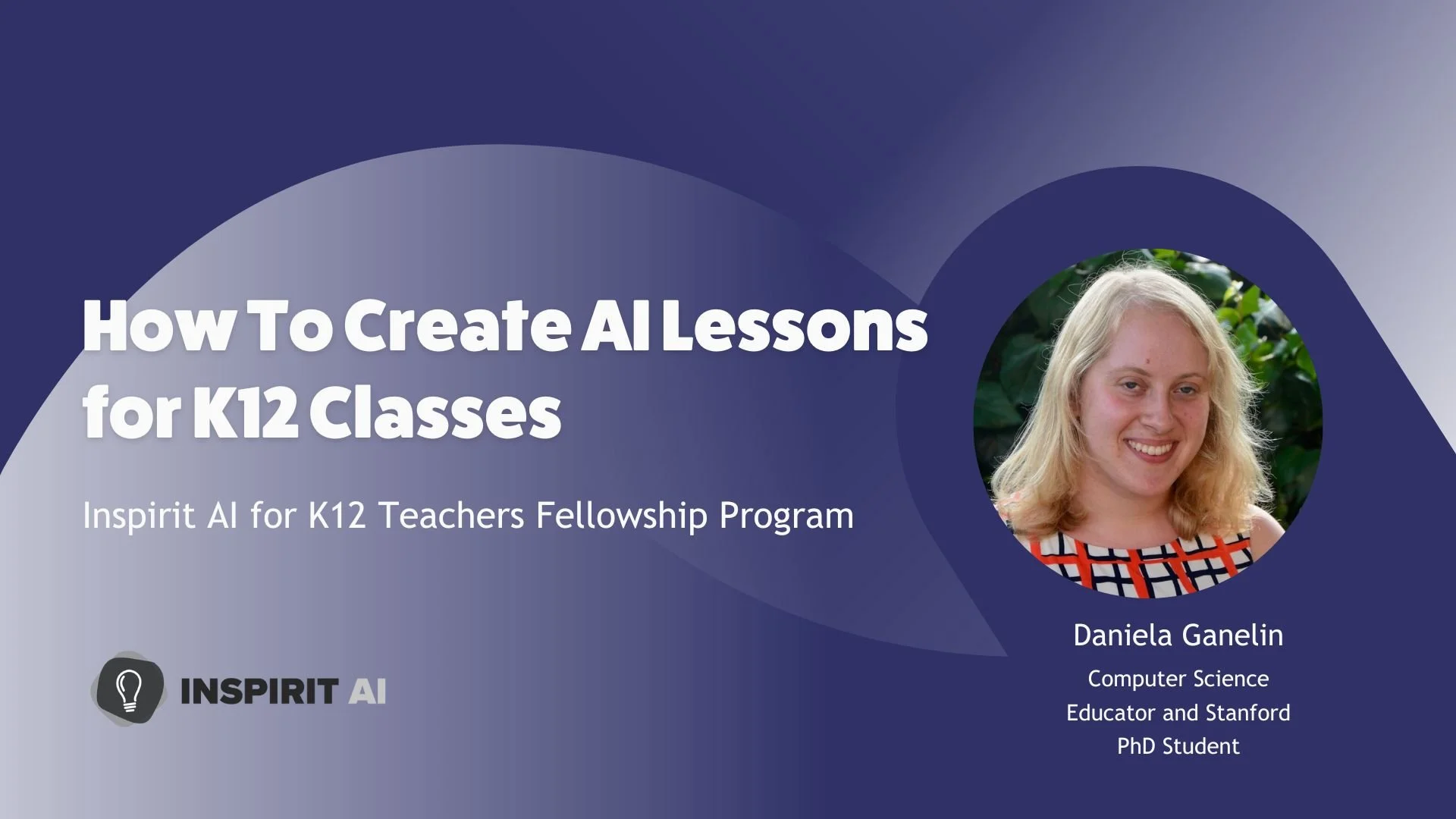
Creating AI Lessons for K12 Teachers
Watch our recent Inspirit AI Teacher Workshop, led by Daniela Ganelin, Stanford PhD student and CS Educator, on how to create AI Lessons.
2026 School Partnership Case Studies

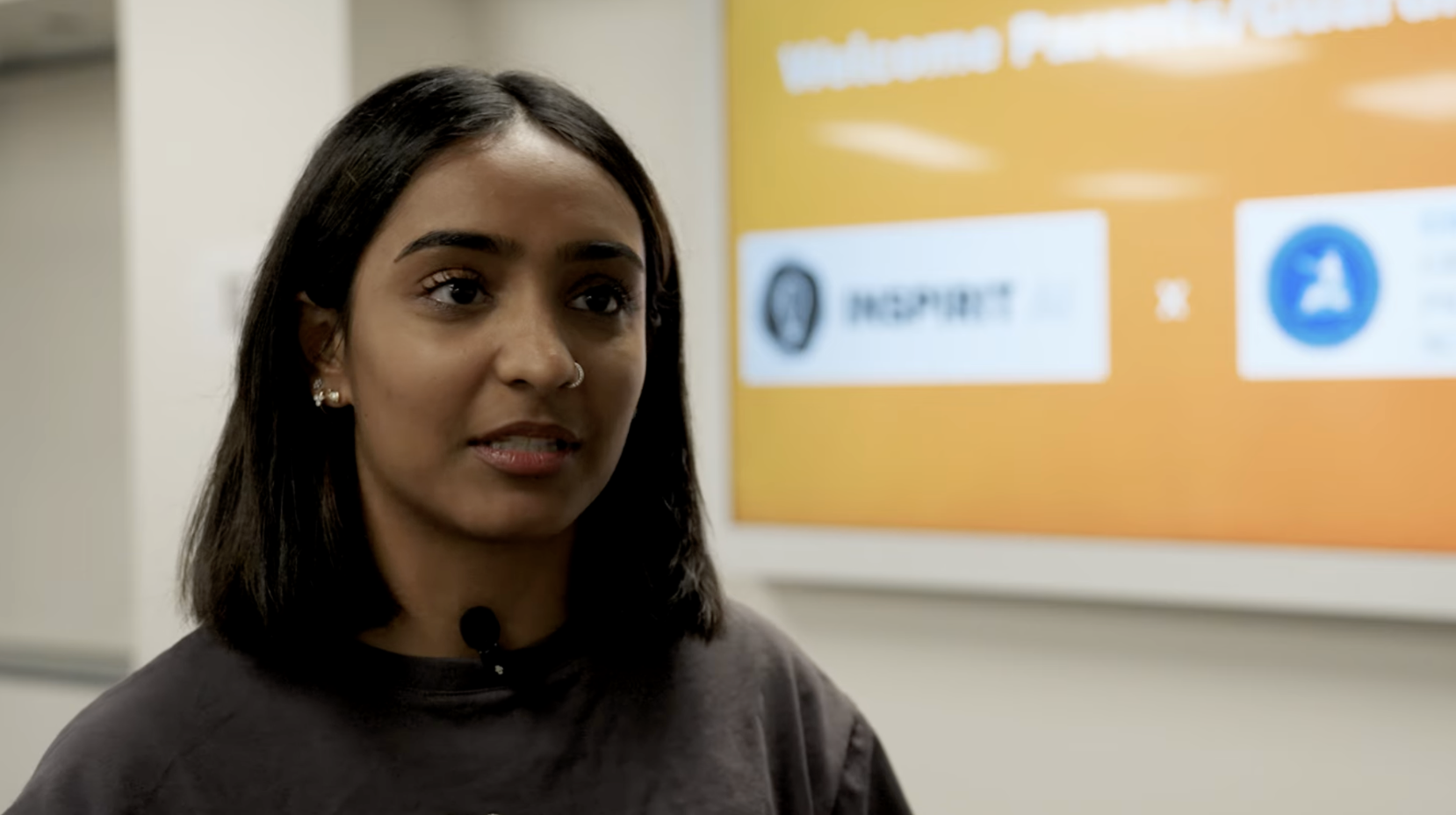
Students at Columbia Grammar and Preparatory School in New York City engaged in an enriching 2-week artificial intelligence and machine learning program, focused on technical skill-building.
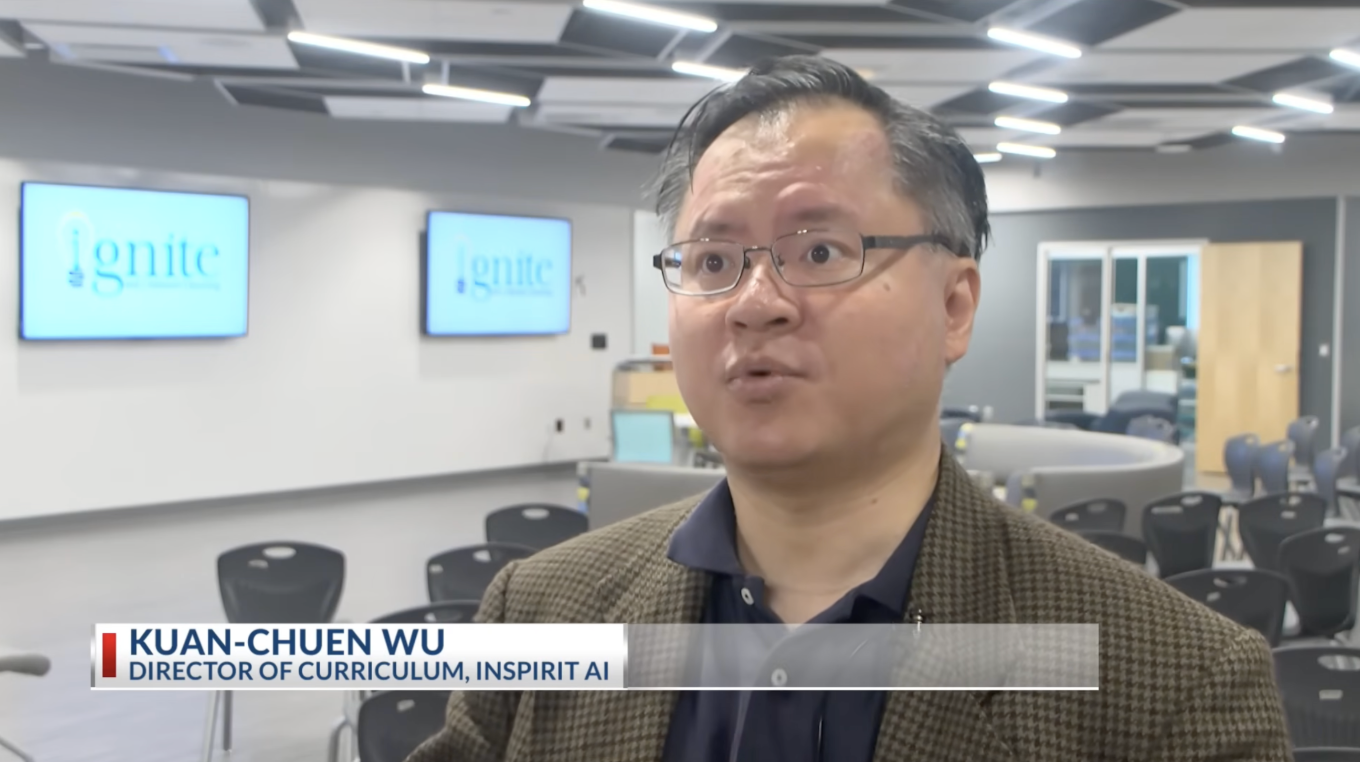
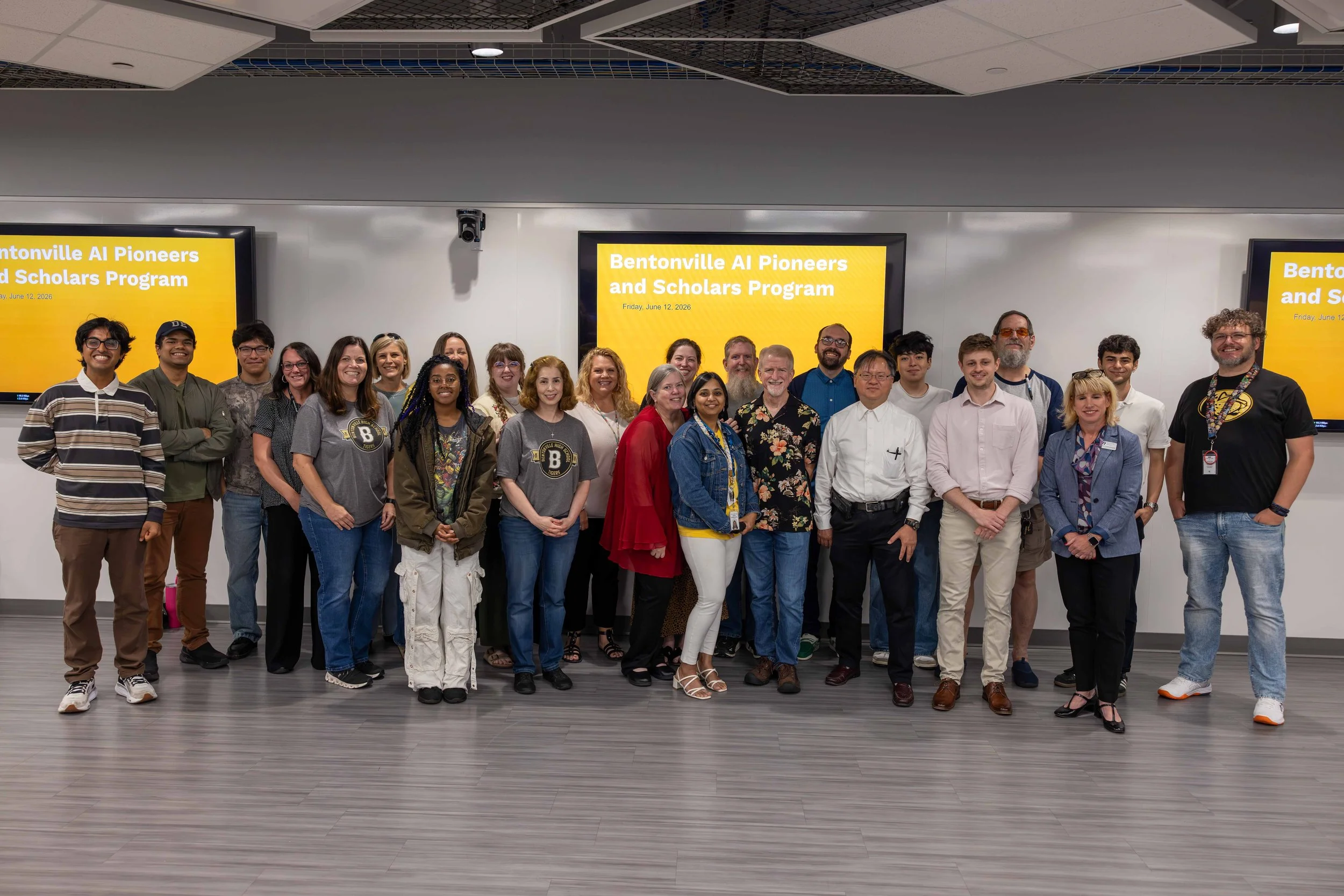
Due to a generous grant from the The Walton Family Foundation, during summer 2026, 120 Bentonville School District students and faculty members participated in a 2-week project-based AI/ML bootcamp.


Middle and high school students at Cranleigh Abu Dhabi built AI projects across disciplines, including AI + Exoplanet Detection, AI + Investing, AI Chatbots for Education, and more. They presented their final AI-powered capstone projects at the end of the 10-day program.
Building an AI-Ready School Community
Preparing students for an AI-driven future isn't only about introducing students to artificial intelligence. Educators need opportunities to learn, experiment, and develop their own understanding of the technology, too.
Inspirit AI works with private and independent schools to bring hands-on AI education to school communities, from student programs to professional learning for teachers and administrators.
AI professional development can be customized around a school's existing goals, faculty experience, policies, and priorities, whether the focus is saving teachers time, integrating AI into instruction, supporting differentiation, navigating responsible student use, or building broader AI literacy across a school community.
Our objective is helping educators determine where AI can meaningfully improve their work and their students' learning, while keeping teacher expertise, human relationships, and student thinking at the center.